

Brandeis Alumni, Family and Friends
A lifelong interest in science leads to pivotal advances in cancer research
April 14, 2026
Sheila Efron Taube ’63 receives 2026 Alumni Achievement Award
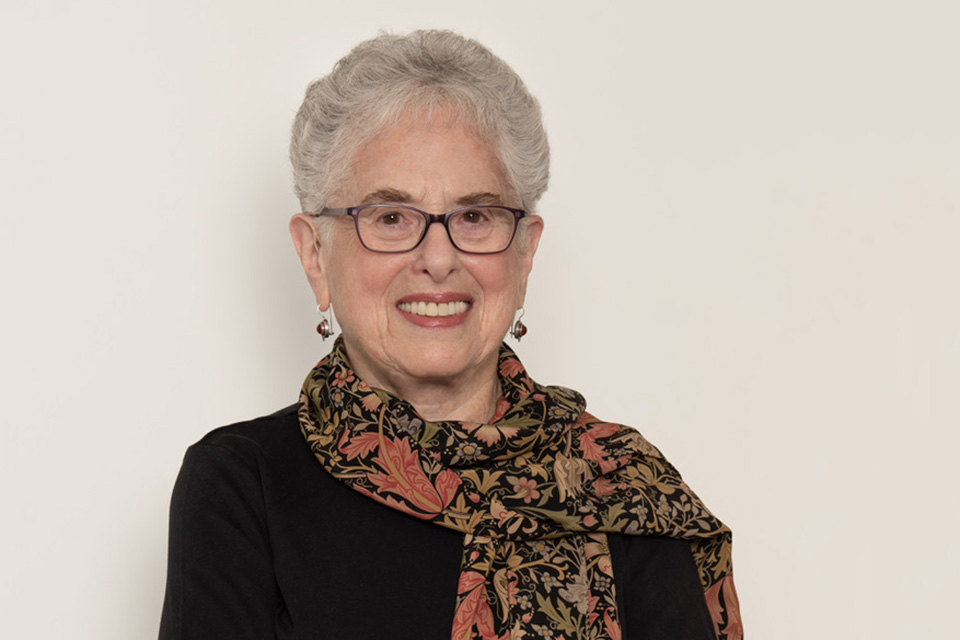
For some children, a love of science starts with a fascination with worms, bugs, and frogs. Not Sheila Efron Taube, PhD, ’63, P’89. She wasn’t interested in picking up these slimy creatures as a kid. However, she was intrigued by mechanical objects and how they operate.
Then in elementary school, she began to study the science of biology. Learning how the human body works clicked with the young Taube. Over the years, her interest would continue to grow. She studied biology as an undergrad at Brandeis and earned her PhD in microbiology and immunology, focusing on virology, from the University of Pittsburgh School of Medicine.
Eventually, Taube joined the National Cancer Institute (NCI), part of the National Institutes of Health (NIH), becoming chief of the Cancer Diagnosis Branch and then associate division director of the Cancer Diagnosis Program. During her 30-plus-year career, she helped change how scientists approach cancer diagnosis research so that it better aligns with developing treatments. She also led efforts to significantly improve diagnoses, treatments, and outcomes for early-stage breast cancer.
Science often was a theme to her volunteer and philanthropic contributions as well. For 10 years after retiring, Taube helped teach science to sixth-grade students through an American Association for the Advancement of Science program. “It was remarkable to watch the growth of the kids over the year,” Taube said. “When they came in, they didn’t have a clue about critical thinking and science. By the end of the year, over 50 percent of the kids said they were interested in a possible career in the sciences.”
She and her husband also created the Drs. Sheila Efron ’63 and Steven L. Taube Endowed Science Scholarship fund, which provides financial assistance to undergraduate Brandeis students majoring in the sciences. Their goal: to keep the scientific pipeline healthy by helping these students meet costs so they don’t drop out.
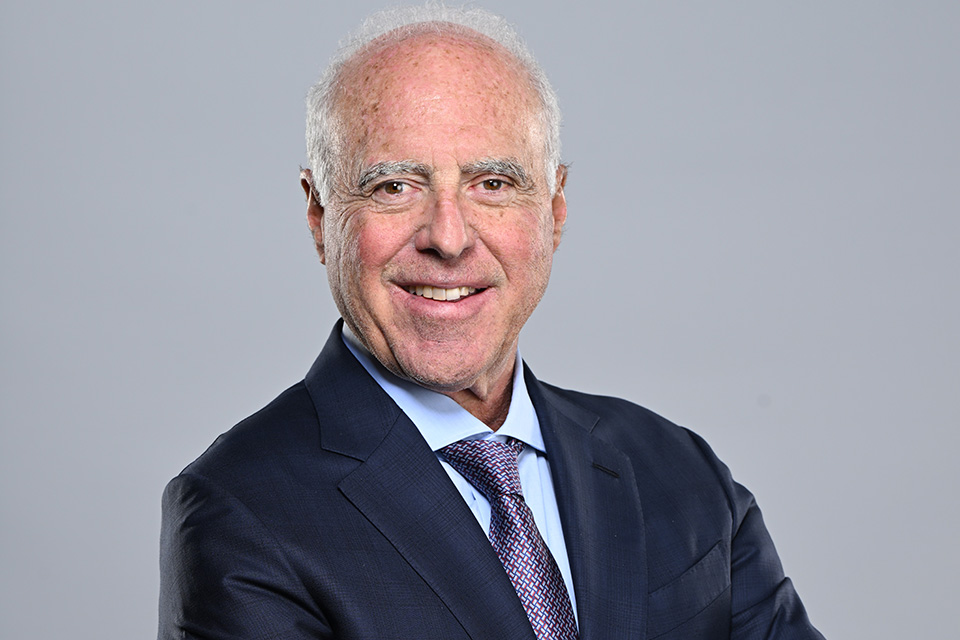
In recognition of these accomplishments, Brandeis has awarded Taube with a 2026 Alumni Achievement Award, given to distinguished alumni for outstanding contributions in their fields and to society more broadly. This year’s winners also include Loretta Devine, MFA’76, Broadway, film, and television actor, and Jeffrey Lurie, Heller PhD’87, NFL team owner and business executive.
At one point, Taube had thought about going to medical school but realized she loved the lab and research. She chose to focus on biology at Brandeis because her fascination with how the human body works still held true. As a field of study, biology also was undergoing exciting advancements, noted Taube. “New technologies were allowing you to look at the functioning of cells in ways that couldn’t be done previously,” she said.
Many professors had an impact on Taube, but the most important and influential was her senior thesis advisor, the late Herman Epstein, professor of biophysics. She recalls taking an eye-opening graduate course with him her senior year. “It had an amazing impact on me, because he really taught us how to think critically and read the scientific literature and separate opinion from real data and results,” Taube said. “I used that critical way of thinking throughout my career and even now.”
Those analytical skills came into play while at the NCI. When she joined, the Cancer Diagnosis program was supporting studies of associations between various molecules in the blood and disease stage. However, after analyzing these studies, she asked: “How are these studies ever going to improve cancer treatment and outcomes?”
She realized that technology was moving in the direction of examining chromosomes and genes, which would help tailor treatments to the abnormalities of certain cancers. “I thought — this is the future. I wanted to help move the field in that direction,” she said.
What followed were many meetings and collaborations with scientists, which led to the NCI adopting a different approach to how it reviews and funds diagnosis research, resulting in more effective diagnostics for cancer treatments. Taube won the NIH Director’s Award, the institute’s most prestigious award given to employees for exceptional performance, for moving the field of cancer diagnosis into the age of modern technology.
Taube then moved into the division of cancer treatment and diagnosis. Here she worked directly with the cancer treatment program responsible for major clinical trials. In particular, much of her work focused on a long-term, multifaceted clinical trial related to the diagnosis and treatment of early-stage breast cancer. Among her many contributions, Taube helped recognize connections across various studies and foster collaborations among diverse groups of researchers.
“It took 18 years to develop and conduct the early-stage breast cancer trial. I had recently retired by the time it was done. But it became absolutely clear that a large percentage of patients would have just as good an outcome without chemotherapy. It saved a lot of pain and suffering on the part of patients and hundreds of thousands of dollars in treatments,” Taube said. “It’s also a great example of how the critical thinking that I learned at Brandeis can make an impact.”
Taube’s colleagues acknowledged her immense contributions by offering to list her as an author on the scientific paper and recognizing her contributions in the public announcement of the results. “It was a wonderful way to retire,” Taube said.